Category Archives: Hockey News
NHL Morning Coffee Headlines – November 25, 2020
Eichel: Sabres’ offseason moves ‘sparked some excitement in me’
The Buffalo Sabres have been one of the busiest teams this offseason, and captain Jack Eichel likes what he sees.
"We're really excited," Eichel said Tuesday, according to NHL.com's Mike Zeisberger. "They're great moves from management in the offseason. Now, more than anything at this point, you want to get back to playing.
"I think it's great. I think it definitely sparked some excitement in me and other guys in the room."
Eichel publicly shared his frustration with his team's lack of progress after missing the playoffs once again this past campaign. The Sabres haven't made the postseason since 2010-11.
Buffalo was a big winner in free agency. After replacing fired general manager Jason Botterill, Kevyn Adams managed to land the highly coveted Taylor Hall while also bringing in Eric Staal and Cody Eakin to add depth down the lineup.
"Whenever you can add people like Taylor Hall and Eric Staal and Cody Eakin to your roster and the locker room, they not only bring talent to the ice but also (a) veteran presence," Eichel said. "In a situation like ours where we're trying to find a winning culture with a young group and trying to figure out the right way to do things at times, I think having older guys can help you out, especially during periods of adversity."
Eichel added that having Hall, a former Hart Trophy winner, in the lineup will take "a bit of pressure off me."
Copyright © 2020 Score Media Ventures Inc. All rights reserved. Certain content reproduced under license.
Indigenous former NHLer Sasakamoose dies at 86
Fred Sasakamoose, one of the first Indigenous players in NHL history, died at age 86, his son, Neil, revealed on Facebook on Tuesday.
Sasakamoose was hospitalized Friday with a suspected case of COVID-19 after having symptoms for a couple of days. He was awaiting test results.
Sasakamoose played in 11 games for the Chicago Blackhawks in 1953-54. Following his time with the Blackhawks, Sasakamoose helped build and develop minor hockey, as well as other sports, in the Ahtahkakoop First Nation in Saskatchewan, where he grew up.
In 1962, Sasakamoose became one of the founding members of the Northern Indian Hockey League. He was inducted into the Saskatchewan Sports Hall of Fame in 2007 in the builder category.
Sasakamoose also previously served on the NHL Diversity Task Force. He was named to the Order of Canada in 2017.
Copyright © 2020 Score Media Ventures Inc. All rights reserved. Certain content reproduced under license.
Leafs great Rick Vaive on imperfection, Don Cherry, and Matthews chasing 50
Rick Vaive is no different than the average Joe - and he's not afraid to admit it.
The Toronto Maple Leafs great was asked Monday what life's been like during the COVID-19 pandemic. "Shitty," he replied with a hearty laugh.
"There's no alumni games, no appearances. It just kind of sucks all around," the 61-year-old said. "But, hey, it affects other people worse than us, so I can't complain too much."
That short exchange sums up Vaive's disposition quite well while also underlining why the three-time 50-goal scorer decided to write a memoir. "Catch 22: My Battles, in Hockey and Life," which hit bookstores last week, is centered around Vaive debunking the widely held notion that all professional athletes are perfectly happy, fabulously rich, and immune to mental illnesses.
"Let's put it this way: There's been struggles, not just on the ice but off the ice," said Vaive, who grew up in a household plagued with alcoholism. As an adult, he's battled anxiety as well as substance-abuse issues.
Vaive, who currently lives in Niagara Falls, Ontario with his wife Joyce, was selected fifth overall in the 1979 NHL draft by the Vancouver Canucks. A right-winger nicknamed "Squid," he played in the world's top league for 13 years, racking up 788 points in 876 games for Vancouver, Toronto, Chicago, and Buffalo. The former Leafs captain went on to coach in the ECHL, AHL, and, most notably, the OHL, under former Mississauga IceDogs owner Don Cherry.
"This, hopefully, will show people that we're all human and we all make mistakes," Vaive said of the ups and downs detailed in the 242-page book co-authored by veteran hockey journalist Scott Morrison. "We all have issues, we all deal with challenges in our lives, and pro athletes are no different."
theScore chatted with Vaive about "Catch 22," his playing and coaching careers, some of the bold characters he's crossed paths with, and the current iteration of the Leafs. Below is an abridged version of that conversation.
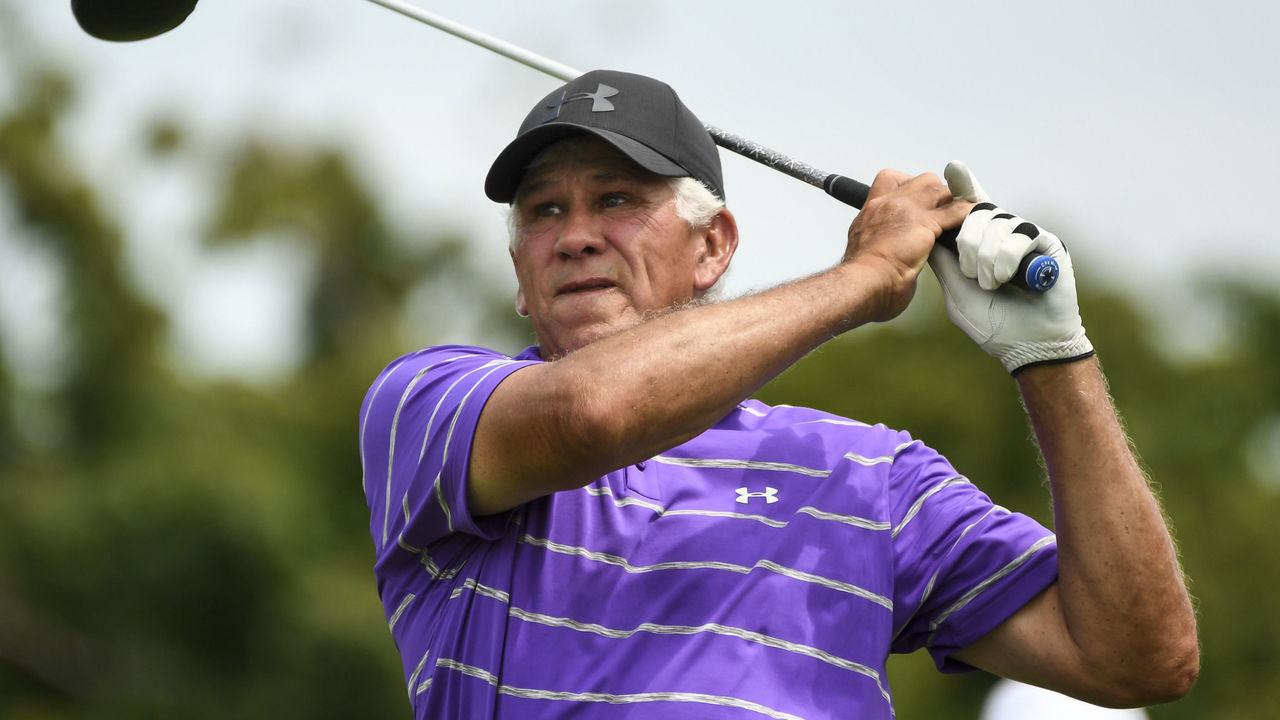
theScore: Why publish a book now? Why not 10 years ago, 15 years ago? Why is November 2020 the sweet spot?
Vaive: It's kind of hard to really give a real answer. I just thought it was time. … When my grandson was born (in mid-2019), I think that was really a big part of it. You realize that you're getting older when you have grandchildren. Plus, you want people to know what your life was all about. I see a lot of people, meet a lot of people, and for the most part, except for the older, wiser generation, everybody thinks, 'Oh, he played in the NHL for 13 years, he must have had a perfect life growing up. Now he's a multi-millionaire.' But it's so far from the truth. I've got a mortgage, for Christ's sake!
theScore: That dynamic is laid out clearly in the book. You list off your yearly salary and, even though you were one of the best players in the NHL, it's obvious you weren't being paid that much, a couple hundred thousand dollars a year. The league has changed dramatically in regard to economics and the amount of money associated with the NHL.
Vaive: Absolutely. The revenues are substantially higher than they were back then. But, at the same time, they made enough money to pay us a bit more in Toronto, for sure. The owners controlled everything, though, and Alan Eagleson (the former executive director of the NHL Players' Association) was on their side. Free agency was 32 years old! He didn't really help us at all. He was in with the owners, and they controlled everything.
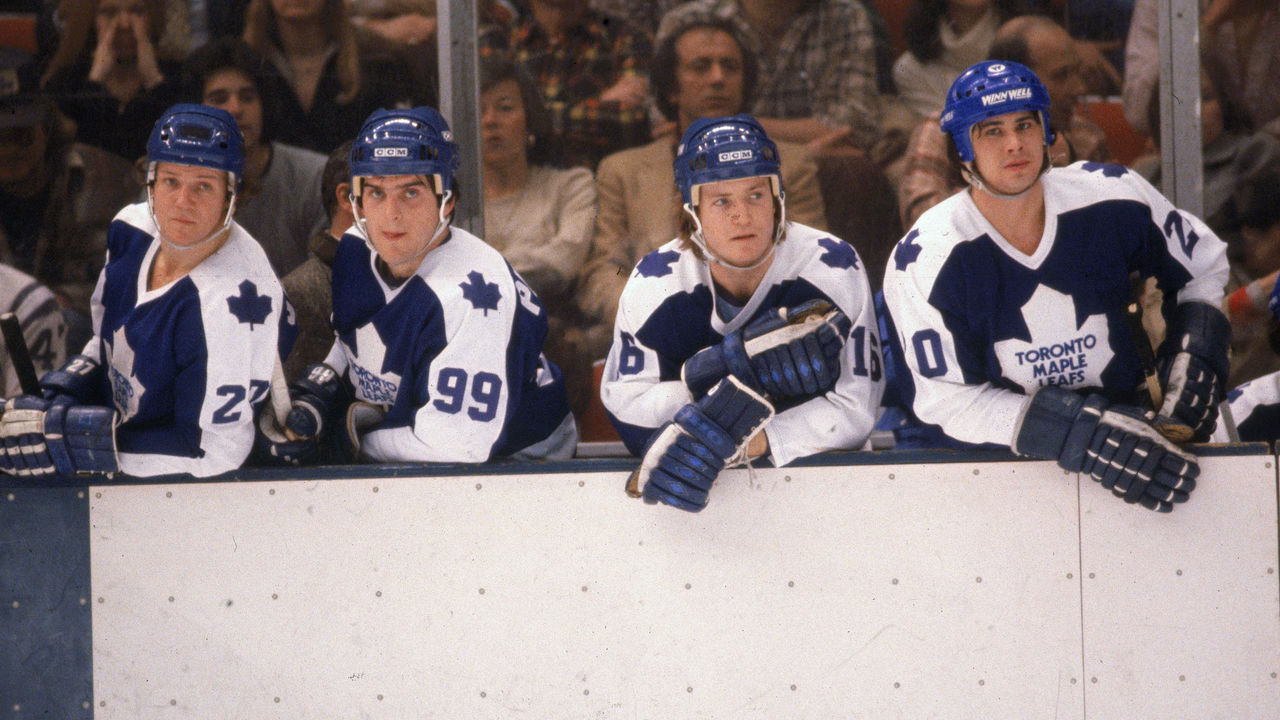
theScore: Speaking of owners, what's the craziest story you can share about infamous Leafs owner Harold Ballard?
Vaive: Oh boy, there's a few. One of the funniest involves his dog, T.C. Puck. He was in our team pictures, which I thought was kind of crazy. I don't have a single team picture without the dog in it. Anyway, T.C. Puck was sitting right in front of me and Harold was beside me. We were sitting there for quite some time. I don't know why, maybe the photographer was moving people around. And then everything got going, we finished, and everybody was getting off the bleachers. The dog tried to get up and it yelped. It turned out his balls were frozen to the ice. So out comes one of the crew members with one of those scrappers and some hot water … (Laughs) Ah, that was pretty funny.
theScore: And then, as an OHL coach, you worked under Don Cherry in Mississauga. You note in your book that he once told you that you "couldn't coach a good f-----g peewee team." Can you describe what Cherry was like as a boss?
Vaive: (Pauses) I don't even know what word to use. Controlling? Controlling. And he's sticking his nose in all the time. That's the way he was. What you see on "Coach's Corner" is what you get with the man himself. It's no different.
theScore: Have you and Don ever patched up the wounds from your time together running the IceDogs? Are you on good terms nowadays?
Vaive: I don't see him very often. I see him at banquets and different things, and I always say hello, how are things, and all of that. I hold no grudge against the guy. It's water under the bridge as far as I'm concerned. Although I think that experience may have affected my ability to get another coaching job. But, you know what, I treat him as I treat everybody else: Very nicely.
theScore: Switching gears, what's your favorite Darryl Sittler prank?
Vaive: The problem is, no one ever knew if it was Darryl or not because he never got caught. He was pretty sneaky. (Laughs) But I know guys who have had their shoes nailed to the floor and the legs of their jeans tied in a really, really tight knot. I would literally sit there for half an hour to get it out. But no one ever caught him. I think we all knew it was him, but you couldn't catch him in the act.
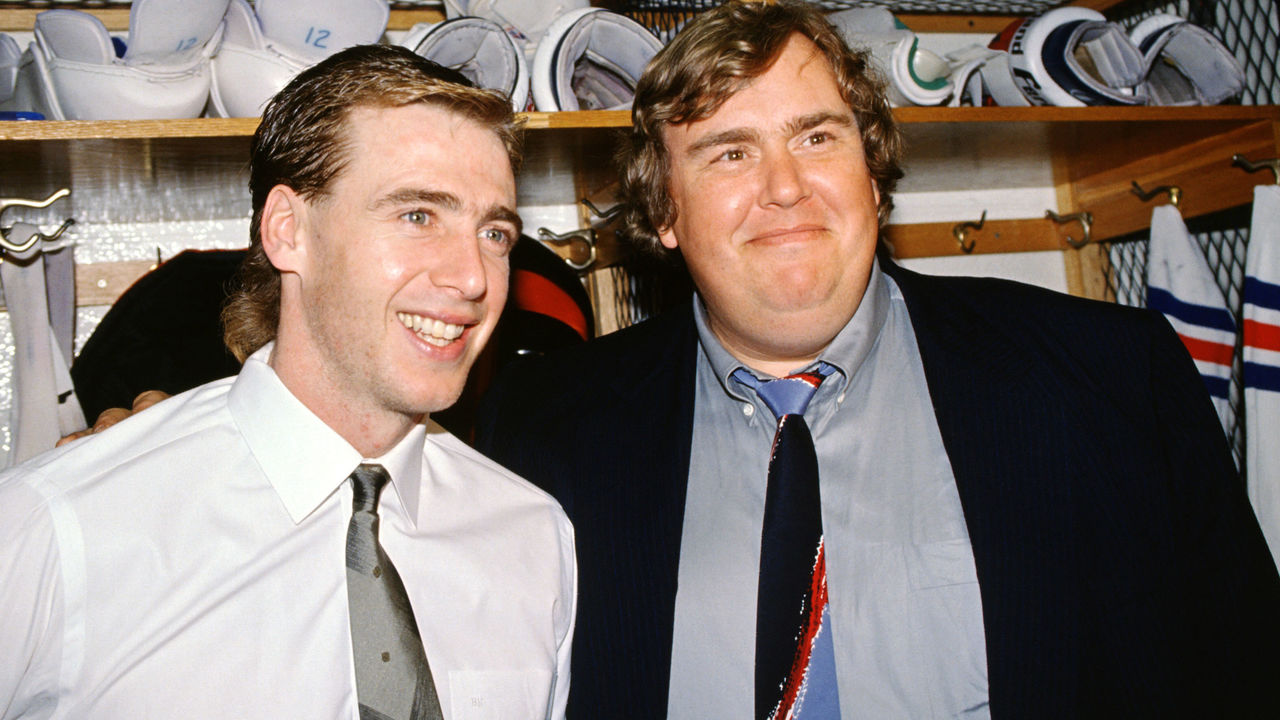
theScore: What do you recall from your times hanging out with late comedian and actor John Candy?
Vaive: We formed a good relationship. We started hanging out in Toronto and he'd meet some of us Leafs downtown for lunch, stuff like that. I remember really well one time in L.A. He happened to be there, probably working on a movie. I knew he was coming to the game, but I didn't expect him to walk right down into the dressing room. I was in the shower and he's calling for me. 'Where's Squid? Where's Squid?' All the guys are wide-eyed, like, 'Holy cow, John Candy!' I walk out, he's there, we start talking. I get dressed and we go out to the bar. That was kind of a funny story about our relationship. I mean, he was a great person. Funny as hell. Even off the screen. He was just hilarious.
theScore: Was it a charisma thing with John? Would you simply find yourself laughing around him no matter the setting?
Vaive: He would come up with things that you couldn't not laugh at, you know? We were out for lunch and there were three or four of my teammates there, and the whole place would just start erupting. He was just naturally funny.
theScore: In those days NHLers would smoke cigarettes in the dressing room. That mental image is like something from another world at this point, given how far society and hockey have come along with smoking.
Vaive: It was between periods in the bathroom. It's completely different, you're right. I'd say 25% of every team back then probably smoked. Maybe even higher. And now I'd be shocked if there's one player on every team in the NHL who smokes. Obviously, it's not good for you. It's not healthy, and I ended up quitting at 28, I think, because it was starting to affect me, playing-wise. When you look back, it was kind of weird.
theScore: In general, so much has changed on and off the ice in the hockey world since you were an active player. What's one thing you like about the modern game? And what's one thing you don't like?
Vaive: I would say the thing I like the most is probably the way the players are treated. Injury-wise, medically-wise. Everything. They have a solid players' association. Finally, they are getting what they deserve, which is 50% of the (revenue) pie. I guess the least favorite would be the fact they took the red line out. I'd love to see the game with the center-ice red line back in, just so you can't make those passes from beside the net all the way up to the far blue line. It has opened the game up, and it probably is a little bit more exciting, but I would like to see the red line come back in.
theScore: Can you unpack that thought? What do you like about the red line?
Vaive: A lot more thinking would have to go into the game. A lot more strategy, too, in that it's a lot harder to get out of your own zone. Wingers play a more important role with the red line in because they have to do their job along the wall, get pucks out, and that sort of thing. That's what I loved about the game. Defensemen could come down and pinch a lot easier. But now, it's just completely different, and it's hard because if someone blows the zone and the defending team gains possession of the puck, you have to retreat and get back there to stop that long pass.
theScore: Off the ice, you struggled with alcohol, and in 2009 you got pulled over for driving under the influence. The charges were ultimately dropped after a couple of years in the court system but, I'm wondering, how difficult was that time in your life?
Vaive: Those were probably two of the toughest years I've ever had in my life, to be honest with you. I was getting no work, no appearances, nothing. Every time there was a court date, it was everywhere (in the media). That wasn't much fun, I can assure you of that. The outcome (not guilty) was great and a big relief, but the drinking got worse as time went on, even shortly after the trial. But that's when I decided to go to rehab and get help.
theScore: How are you doing these days with your sobriety?
Vaive: I'm fine. We played golf all summer, and my buddies would go on the patio and order a couple of pitchers. I would sit there and drink my ginger ale. I don't think about it that much anymore at all.
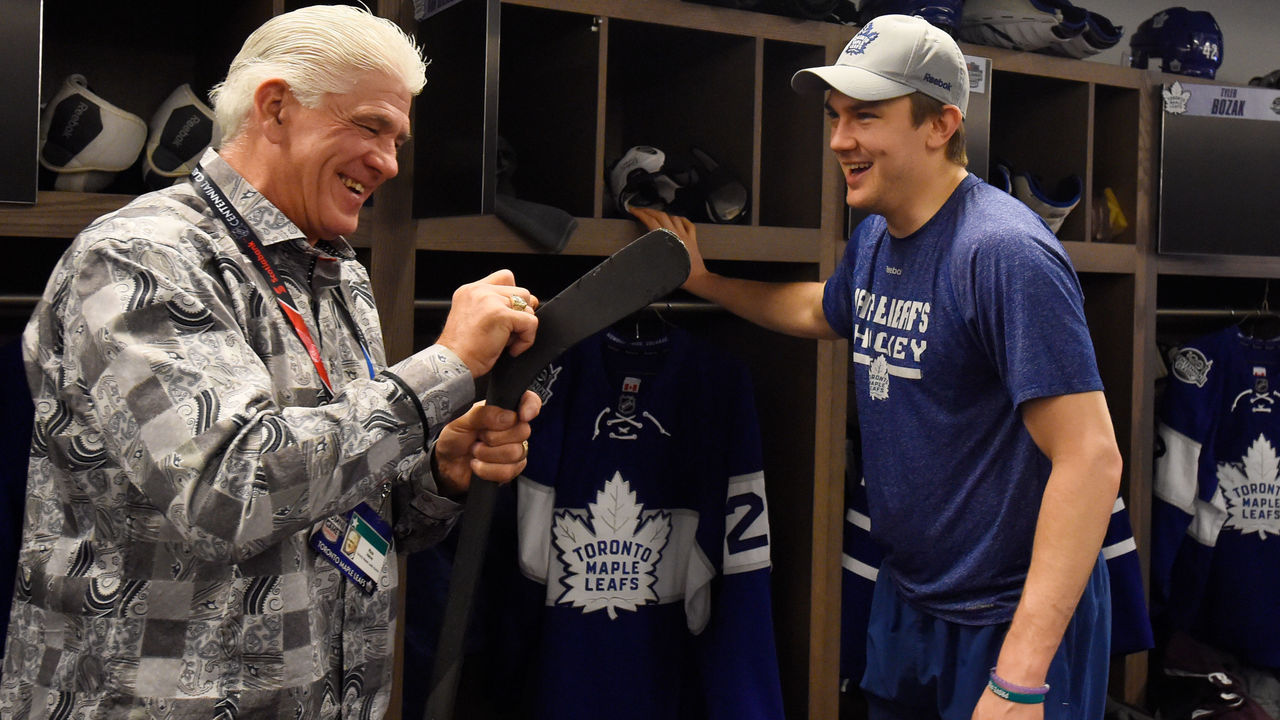
theScore: You played for the Canucks, Leafs, Blackhawks, and Sabres in the 1980s and '90s. Those jerseys you wore are now "vintage" looks, especially the "Flying V" in Vancouver. Which of your NHL jerseys did you enjoy the most?
Vaive: (Sighs) I think the coolest one, with the logo and everything, was probably Chicago. That was a pretty impressive-looking sweater in my mind. For the Leafs, I love the one they wear now. I didn't particularly like ours, the ones we wore in the '80s with the blue all the way down the sleeve, similar to the retro one they've come out with recently. And I didn't like the leaf itself. I like the new leaf, which is very similar to the one from 1967.
theScore: What do you think of the moves Leafs general manager Kyle Dubas has made this offseason? Do the Leafs get over the hump in 2020-21?
Vaive: I sure as heck hope so. (Laughs) I think they're good moves, I do. I say that because these new guys have been through it. Some of them have been to the Stanley Cup Final or semifinals, so their leadership will be very, very important. I still think they're all pretty decent players in the league. Joe Thornton is probably one of the best passers in the league.
At the same time, I think the young group, the top-six forwards and top couple of defensemen, has to start taking control of the situation. The guys they brought in are a little bit older, almost near the end. Yes, they're going to be a big part of it, on and off the ice, but if this team is going to get over the hump, it's going to have to be the core guys. They're not kids anymore. They're not too young. They've all played three, four years in the NHL, and they've probably learned a great deal from the last three or four years.
I fully expect guys like (Auston) Matthews, (Mitch) Marner, (William) Nylander to say, 'OK, we have to get this done.' I think, by now, they know what it takes, and I believe they will take over and get this team over the hump.
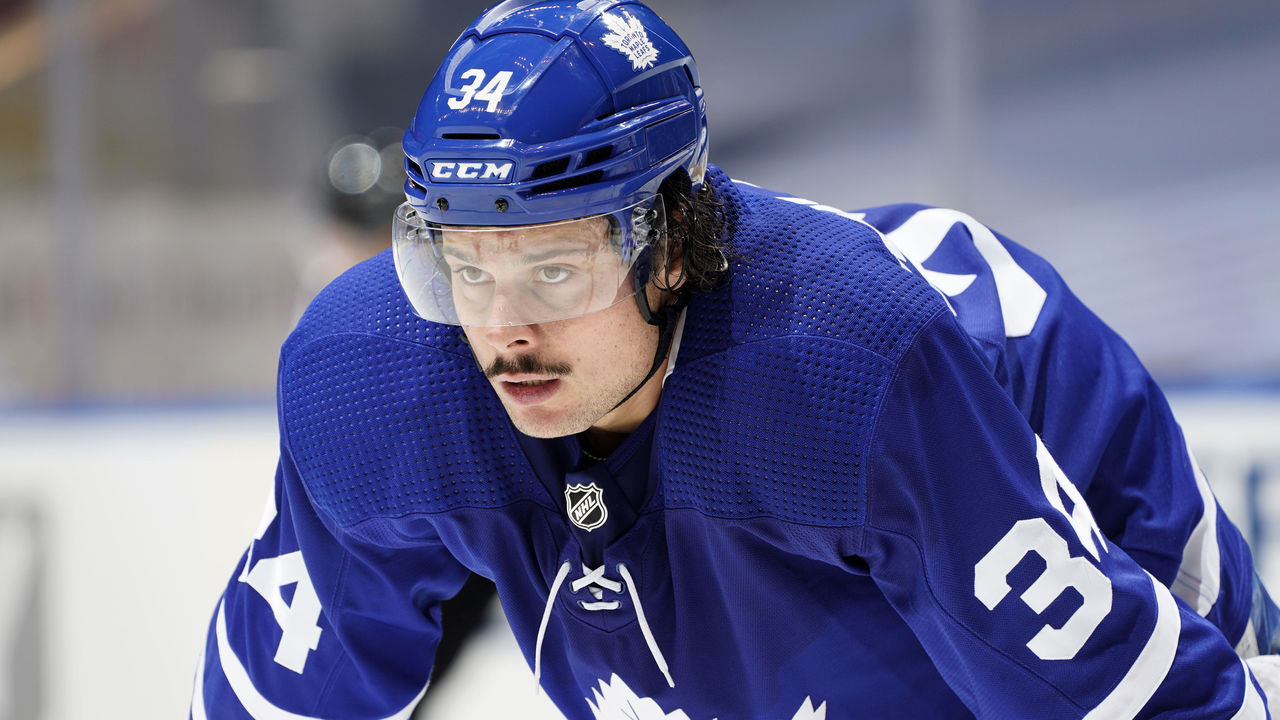
theScore: You've said previously that you'd be happy to see Matthews score 50 and maybe even 55 to break your team record …
Vaive: Well, I didn't say I was happy … (Laughs).
theScore: OK, maybe I'm putting words in your mouth. How would you frame it?
Vaive: No one wants their records to be broken. But, inevitably, they are going to be broken at some point. And Auston was so close last year. He would have scored 50, I'm almost 100% sure of that. Maybe even 54, 55. That opportunity, with 47 goals and 12 games left, was taken away from him. It wasn't taken away from him by injury, which he ran into in his first three or four years. It was a pandemic that took that away from him. I feel bad for him. I would have loved to have been there to watch everything unfold and to see if he could have done it.
theScore: In your mind, what makes Matthews a special scorer?
Vaive: Well, first of all, he's got such an incredible shot. I think his deception, where it looks like he's shooting toward one part of the net and then he changes the angle quickly and puts it somewhere, is special. Besides that, the vision and the ability to read the play is uncanny.
theScore: One final topic: What would it mean to you to have your number 22 retired by the Leafs?
Vaive: It would be a great honor, for starters. I'm at a lot of the games, and I'll look up and see the numbers, and you always think, 'Aw geez, it would be nice to see my number up there …' Yeah, it would be a significant honor. I don't make those decisions, but if it ever happened it would be a wonderful evening and, with my family there and everything, it would be exciting.
theScore: It would essentially be the cherry on top after your career and ambassador work with the team.
Vaive: It would be, but, again, I don't know if it'll happen. If it does, I would cherish it, and it would be a wonderful, wonderful gesture on their part. It would be a heck of an honor.
John Matisz is theScore's national hockey writer.
Copyright © 2020 Score Media Ventures Inc. All rights reserved. Certain content reproduced under license.
2 players at Canada’s world junior camp test positive for COVID-19
Two players at Canada's selection camp ahead of the upcoming World Junior Championship tested positive for COVID-19, Hockey Canada confirmed Tuesday.
The players are in quarantine at the team hotel in Red Deer, Alberta.
Hockey Canada postponed Tuesday's scrimmage as a result. All players and team personnel will now go through an additional COVID-19 test before taking part in camp when it resumes.
The governing body of Canadian hockey said it has informed local and provincial health authorities and will continue to work with them.
Everyone involved in the selection camp took mandatory COVID-19 tests both upon arrival and continuously over the last 10 days, in accordance with Hockey Canada protocol.
On Saturday, the organization revealed that a non-core member of the national junior team staff had tested positive and that two of the squad's coaches, Michael Dyck and Jason LaBarbera, were self-isolating because they were close contacts.
Copyright © 2020 Score Media Ventures Inc. All rights reserved. Certain content reproduced under license.
Several Blue Jackets players test positive for COVID-19
The Vegas Golden Knights aren't the only NHL club dealing with a potential outbreak.
Several Columbus Blue Jackets players recently tested positive for COVID-19, the team told TSN's Frank Seravalli on Tuesday. Those players quarantined immediately and are expected to return next week for voluntary workouts.
The Blue Jackets shut down their off-ice facilities on Nov. 16 and haven't reopened them since then. They scheduled no voluntary workouts this week due to Thanksgiving.
Columbus will continue to follow all health and safety guidelines, including those laid out by the NHL.
The Golden Knights confirmed Monday night that four of their players recently tested positive.
Copyright © 2020 Score Media Ventures Inc. All rights reserved. Certain content reproduced under license.
NHL offseason grades: Central Division
Divisions:
Central | Metropolitan (Nov. 25) | Pacific (Nov. 26) ) | Atlantic (Nov. 27)
Several teams have done well in free agency, on the trade market, and with their own restricted free agents this offseason despite the unforeseen circumstances impacting the financial landscape.
Other clubs, of course, haven't fared as well, and the always competitive Central Division is a prime example of that. One club all but imploded, another made a slew of head-scratching decisions, while a pair of rival teams were more successful at retaining their top talent and adding to it.
There will undoubtedly be more moves to come if and when plans for the 2020-21 season are finalized, but here's how we rate the Central squads so far this offseason:
Some contract figures are reported. Most players on two-way deals have been omitted.
Chicago Blackhawks
Key arrivals
| Player | Position | Contract Length | AAV |
|---|---|---|---|
| Nikita Zadorov | D | 1 year | $3.2M (trade with COL) |
| Mattias Janmark | LW/C | 1 year | $2.25M |
| Lucas Wallmark | C | 1 year | $950K |
Key departures
| Player | Position | Transaction |
|---|---|---|
| Corey Crawford | G | Signed with NJ |
| Brandon Saad | F | Traded to COL |
| Drake Caggiula | LW/C | Did not receive qualifying offer |
| Olli Maatta | D | Traded to LA |
| Slater Koekkoek | D | Did not receive qualifying offer |
Re-signed
| Player | Position | New Contract Length | AAV |
|---|---|---|---|
| Dominik Kubalik | LW | 2 years | $3.7M |
| Malcolm Subban | G | 2 years | $850K |
Unsigned RFAs
| Player | Position |
|---|---|
| Dylan Strome | C |
Rookies who could crack the lineup
| Player | Position | Drafted |
|---|---|---|
| Pius Suter | C/LW | Undrafted |
| Ian Mitchell | D | 2nd round (2017) |
| Kevin Lankinen | G | Undrafted |
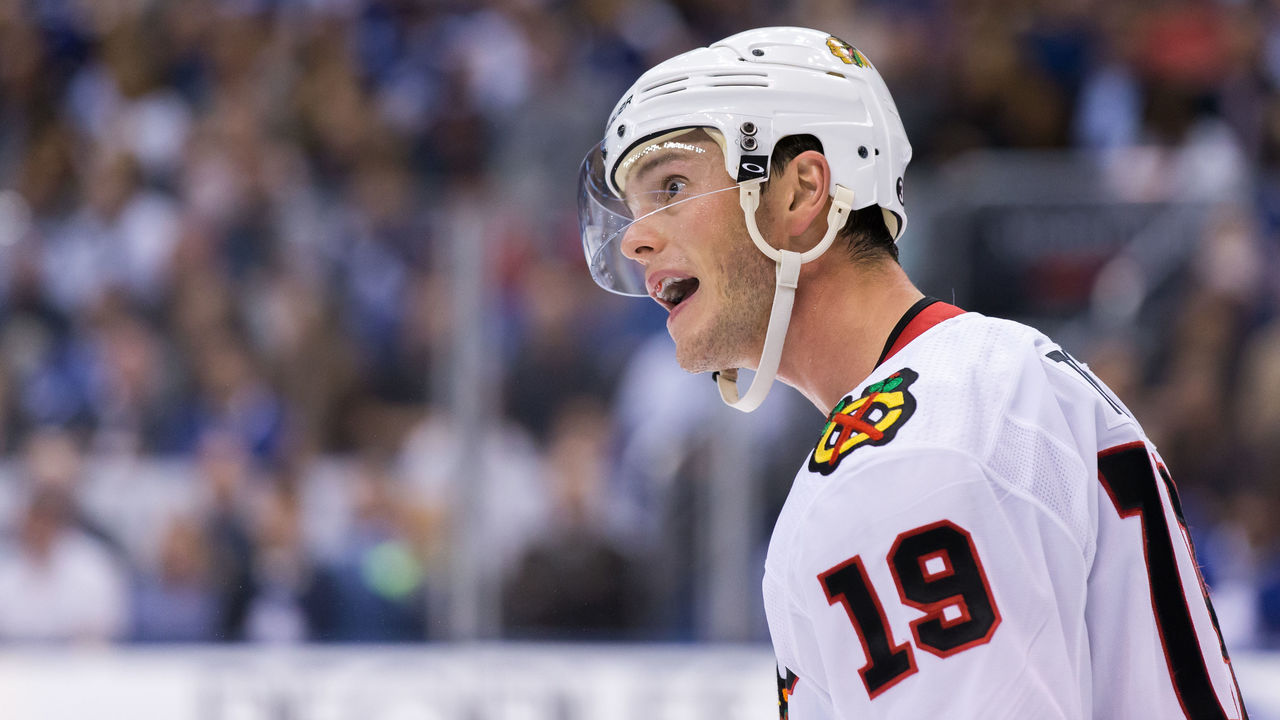
The Blackhawks' offseason has been an unmitigated disaster. Chicago's core veterans were reportedly upset with the direction management took after it parted with multiple pieces from the franchise's championship years and let several others walk. Longtime Blackhawks captain Jonathan Toews even went public to say the moves came as a shock.
In response to the team's leaders, the organization published a letter to fans, but in doing so, admitted it was committed to rebuilding. Former Chicago enforcer John Scott called the letter "embarrassing," and it's hard to disagree.
Most importantly, the Blackhawks needed to address their goaltending following Crawford's exit. They may still do so before 2020-21 begins, but entering the campaign with Subban and Collin Delia between the pipes inspires little confidence. All things considered, the offseason couldn't have gone much worse for Chicago.
Grade: F
Colorado Avalanche
Key arrivals
| Player | Position | Contract Length | AAV |
|---|---|---|---|
| Brandon Saad | LW | 1 year | $5M (trade with CHI) |
| Devon Toews | D | 4 years | $4.1M (trade with NYI) |
Key departures
| Player | Position | Transaction |
|---|---|---|
| Vladislav Namestnikov | LW/C | Signed with DET |
| Nikita Zadorov | D | Traded to CHI |
| Colin Wilson | LW/C | Became UFA |
Re-signed
| Player | Position | New Contract Length | AAV |
|---|---|---|---|
| Andrei Burakovsky | LW | 2 years | $4.9M |
| Ryan Graves | D | 3 years | $3.167M |
| Valeri Nichushkin | RW | 2 years | $2.5M |
| Tyson Jost | C/LW | 1 year | $874K |
Unsigned RFAs
| Player | Position |
|---|---|
| Vladislav Kamenev | C/LW |
Rookies who could crack the lineup
| Player | Position | Drafted |
|---|---|---|
| Conor Timmins | D | 2nd round (2017) |
| Martin Kaut | RW | 1st round (2018) |
| Bowen Byram | D | 1st round (2019) |
On the opposite end of the spectrum, the Avalanche have done an excellent job. Colorado retained most of its depth and added a couple of talented pieces without sacrificing much.
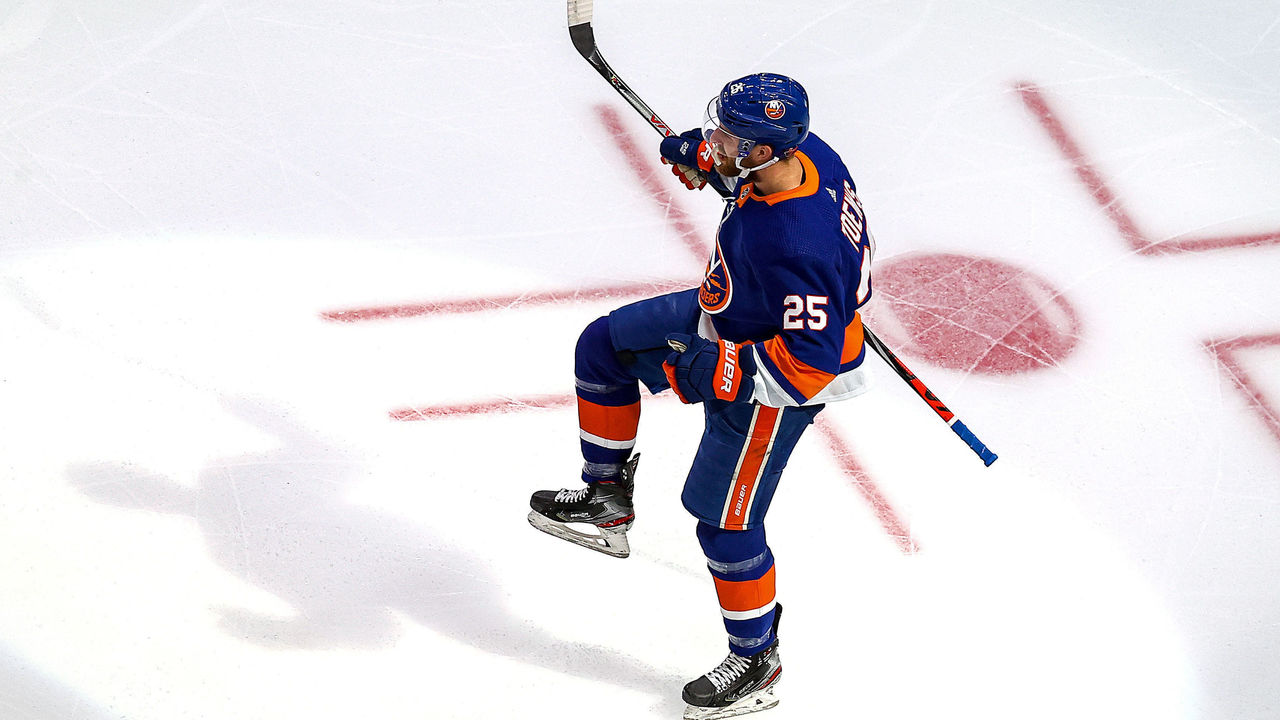
The Avalanche traded Zadorov to Chicago in the deal that netted Saad, then filled their defensive void by acquiring Devon Toews from the New York Islanders for a pair of second-round picks before signing the reliable blue-liner to a new four-year pact. Saad's acquisition more than offsets the loss of Namestnikov, and Toews is unquestionably an upgrade over Zadorov.
Colorado kept its roster deep and skilled from top to bottom while maintaining a prospect pool that still oozes with potential. Giving Burakovsky an AAV close to $5 million after his first 20-goal season was a bit generous, but that was only a minor blemish on what's been an otherwise superb offseason.
Grade: A-
Dallas Stars
Key arrivals
| Player | Position | Contract Length | AAV |
|---|---|---|---|
| Mark Pysyk | D | 1 year | $750K |
Key departures
| Player | Position | Transaction |
|---|---|---|
| Corey Perry | RW | Became UFA |
| Mattias Janmark | LW/C | Signed with CHI |
| Roman Polak | D | Signed in Czech Republic |
| Martin Hanzal | C | Retired |
Re-signed
| Player | Position | New Contract Length | AAV |
|---|---|---|---|
| Anton Khudobin | G | 3 years | $3.33M |
| Radek Faksa | C | 5 years | $3.25M |
| Roope Hintz | C/LW | 3 years | $3.15M |
| Denis Gurianov | LW/RW | 2 years | $2.55M |
| Andrej Sekera | D | 2 years | $1.5M |
Rookies who could crack the lineup
| Player | Position | Drafted |
|---|---|---|
| Joel Kiviranta | LW | Undrafted |
| Jason Robertson | LW | 2nd round (2017) |
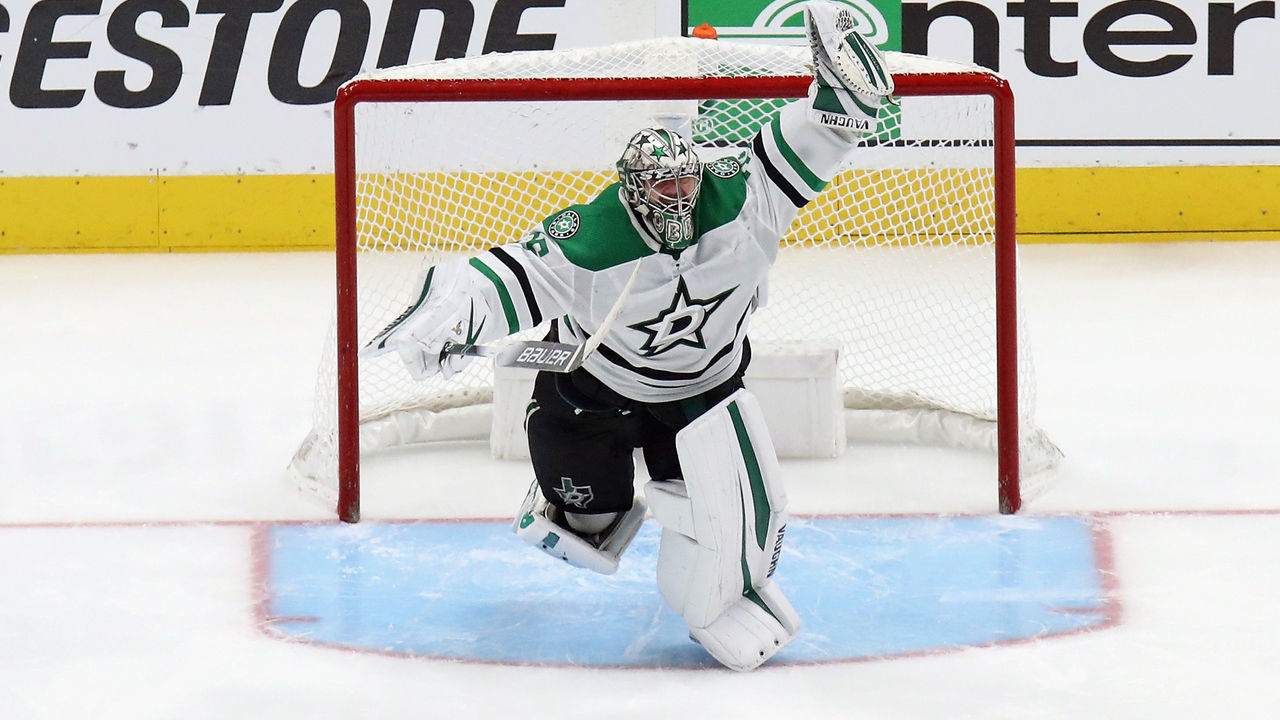
The Stars didn't make any big splashes this offseason, but they did virtually everything they had to do. Most notably, Dallas brought back Khudobin - its goaltending savior. A three-year deal might not be ideal with all the mileage on the 34-year-old, but the AAV is quite team-friendly and he proved indispensable while carrying the team on its Cup Final run.
The Stars also took care of their RFAs and didn't suffer any major losses, roster-wise. Perry could still return to the fold, though Dallas' cap situation might make that difficult following the team's other signings.
Kiviranta's unexpected breakout was one of the best stories of the playoffs, and he's a virtual lock to make the squad in at least a bottom-six role despite his limited regular-season experience.
Grade: B+
Minnesota Wild
Key arrivals
| Player | Position | Contract Length | AAV |
|---|---|---|---|
| Cam Talbot | G | 3 years | $3.67M |
| Marcus Johansson | C/LW | 1 year | $4.5M (trade with BUF) |
| Nick Bonino | C | 1 year | $4.1M (trade with NSH) |
| Nick Bjugstad | C | 1 year | $2.05M (trade with PIT) |
Key departures
| Player | Position | Transaction |
|---|---|---|
| Devan Dubnyk | G | Traded to SJ |
| Eric Staal | C | Traded to BUF |
| Mikko Koivu | C | Signed with CBJ |
| Alex Galchenyuk | LW/C | Signed with OTT |
| Luke Kunin | C | Traded to NSH |
| Ryan Donato | C | Traded to SJ |
Re-signed
| Player | Position | New Contract Length | AAV |
|---|---|---|---|
| Jonas Brodin | D | 7 years | $6M |
| Carson Soucy | D | 3 years | $2.75M |
| Jordan Greenway | LW | 2 years | $2.1M |
Rookies who could crack the lineup
| Player | Position | Drafted |
|---|---|---|
| Kirill Kaprizov | LW | 5th round (2015) |
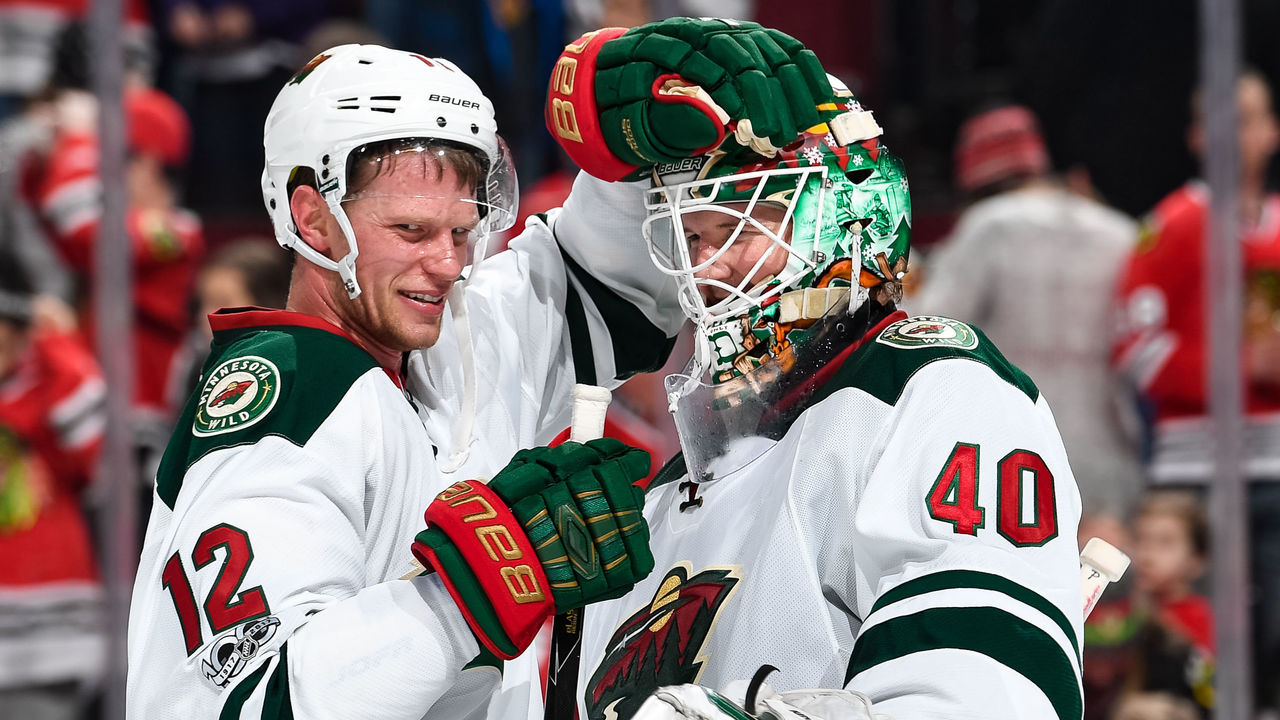
Wild general manager Bill Guerin has certainly been active, but that doesn't mean all the moves were beneficial to his team. The Staal-for-Johansson swap was a clear win for Buffalo as well as a puzzling downgrade for Minnesota.
Sending Dubnyk to San Jose and replacing him with Talbot works in the short term, but Minnesota's new 33-year-old netminder is only one year younger than his predecessor, and Talbot hasn't taken on a starter's workload since his tenure with the Edmonton Oilers a few seasons ago.
Locking up Brodin was essential, but dealing away so much of the core without getting a whole lot in return is disappointing. Change was clearly necessary for the Wild after years of mediocrity, but transactions for their own sake - several of which risk alienating the fan base - don't seem prudent.
Grade: C-
Nashville Predators
Key arrivals
| Player | Position | Contract Length | AAV |
|---|---|---|---|
| Mark Borowiecki | D | 2 years | $2M |
| Nick Cousins | LW | 2 years | $1.5M |
| Matt Benning | D | 2 years | $1M |
| Brad Richardson | C/RW | 1 year | $1M |
Key departures
| Player | Position | Transaction |
|---|---|---|
| Mikael Granlund | LW/C | Became UFA |
| Craig Smith | RW | Signed with BOS |
| Nick Bonino | C | Traded to MIN |
| Kyle Turris | C | Bought out |
| Austin Watson | LW | Traded to OTT |
Re-signed
| Player | Position | New Contract Length | AAV |
|---|---|---|---|
| Yakov Trenin | LW/C | 2 years | $725K |
Unsigned RFAs
| Player | Position |
|---|---|
| Luke Kunin | C |
Rookies who could crack the lineup
| Player | Position | Drafted |
|---|---|---|
| Eeli Tolvanen | RW | 1st round (2017) |
| Anthony Richard | C | 4th round (2015) |
The Predators upgraded their third defensive pairing by bringing in Borowiecki and Benning, but the team's forward group is worse off following Smith's departure and Granlund's likely exit.
However, Nashville GM David Poile may not be done adding in free agency, and nor should he be, considering the club has nearly $13 million in cap space. The longtime executive needs to acquire another top-six winger like Mike Hoffman or Anthony Duclair, and bolstering the squad's less than inspiring bottom six would be wise as well.
However, as things currently stand, the Predators' offseason has left something to be desired.
Grade: C
St. Louis Blues
Key arrivals
| Player | Position | Contract Length | AAV |
|---|---|---|---|
| Torey Krug | D | 7 years | $6.5M |
| Kyle Clifford | LW | 2 years | $1M |
Key departures
| Player | Position | Transaction |
|---|---|---|
| Alex Pietrangelo | D | Signed with VGK |
| Jake Allen | G | Traded to MTL |
| Jay Bouwmeester | D | Became UFA |
| Troy Brouwer | RW | Became UFA |
Re-signed
| Player | Position | New Contract Length | AAV |
|---|---|---|---|
| Jacob de la Rose | LW/C | 1 year | $700K |
Unsigned RFAs
| Player | Position |
|---|---|
| Vince Dunn | D |
Rookies who could crack the lineup
| Player | Position | Drafted |
|---|---|---|
| Klim Kostin | C/LW | 1st round (2017) |
| Scott Perunovich | D | 2nd round (2018) |
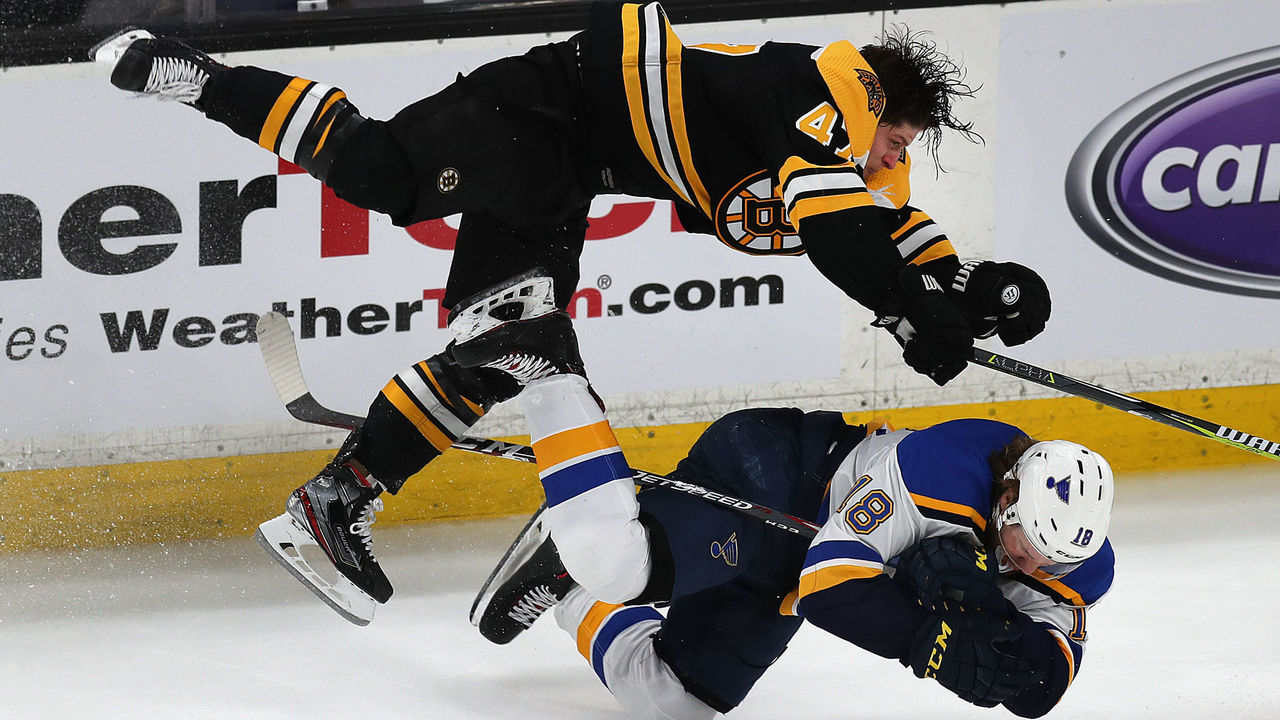
Losing Pietrangelo was devastating for the Blues, and the former captain's immense impact on the blue line will be missed in St. Louis. However, Krug was the next-best defenseman on the market and was more than just a consolation prize.
Blues GM Doug Armstrong signed the skilled rearguard for over $2 million less annually than the $8.8-million AAV Vegas paid for Pietrangelo. Though Krug isn't quite as good as his counterpart, he is a year younger, and he's a star in his own right. Considering the downgrade from Pietrangelo could've been worse, Armstrong made out well.
However, there is some cause for concern in goal. Going from Allen - who's arguably the best backup netminder in the league - to the unproven Ville Husso puts a ton of pressure on Jordan Binnington, who took a step back last season after his Cup-winning campaign one year prior.
All things considered, the Blues aren't all that much worse on paper. That's definitely a positive considering how things could've gone.
Grade: B-
Winnipeg Jets
Key arrivals
| Player | Position | Contract Length | AAV |
|---|---|---|---|
| Paul Stastny | C | 1 year | $6.5M (trade with VGK) |
| Laurent Brossoit | G | 1 year | $1.5M |
| Derek Forbort | D | 1 year | $1M |
| Nate Thompson | C | 1 year | $750K |
Key departures
| Player | Position | Transaction |
|---|---|---|
| Cody Eakin | C | Signed with BUF |
| Dmitry Kulikov | D | Signed with NJD |
| Anthony Bitetto | D | Signed with NYR |
| Logan Shaw | RW | Signed with OTT |
Re-signed
| Player | Position | New Contract Length | AAV |
|---|---|---|---|
| Dylan DeMelo | D | 4 years | $3M |
| Nathan Beaulieu | D | 2 years | $1.25M |
| Mason Appleton | RW/C | 2 years | $900K |
| Luca Sbisa | D | 1 year | $800K |
| Sami Niku | D | 2 years | $725K |
Unsigned RFAs
| Player | Position |
|---|---|
| Jack Roslovic | C/RW |
Rookies who could crack the lineup
| Player | Position | Drafted |
|---|---|---|
| Logan Stanley | D | 1st round (2016) |
| Kristian Vesalainen | LW | 1st round (2017) |
| Dylan Samberg | D | 2nd round (2017) |
| Ville Heinola | D | 1st round (2019) |
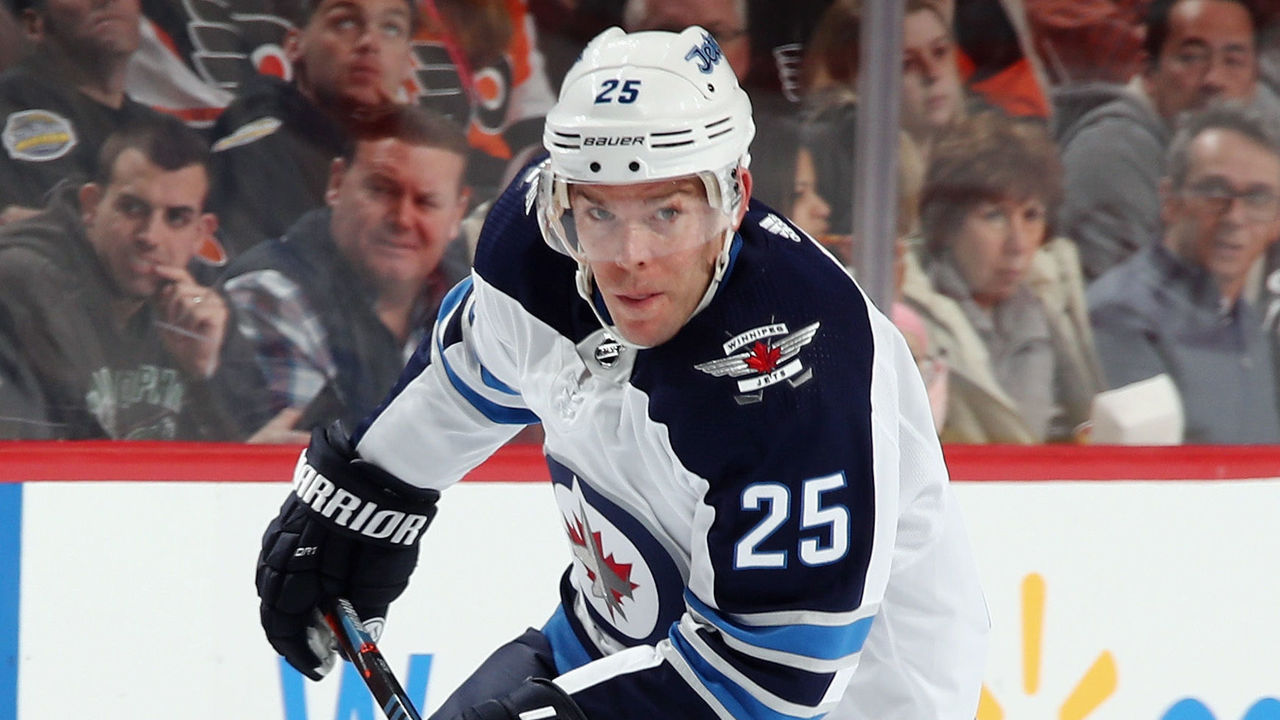
The Jets needed a second-line center after doctors advised Bryan Little not to play next season, and reuniting with Stastny was a solid strategy. He's a soon-to-be 35-year-old pending UFA, but it was worthwhile considering Winnipeg only gave up defenseman Carl Dahlstrom and a conditional fourth-round pick.
Bringing back the underrated DeMelo was important as well in light of the Jets' somewhat desperate need on the back end.
However, Winnipeg GM Kevin Cheveldayoff's best decision this offseason has been keeping Patrik Laine despite all of the chatter regarding the winger's future. Moving him for less than he's worth just to resolve the situation wouldn't be smart. Keeping him and letting the talk cool down has been an astute course of action.
Grade: B
(Salary source: CapFriendly)
Copyright © 2020 Score Media Ventures Inc. All rights reserved. Certain content reproduced under license.